Arjun Mehta
COO @ Quorivex Systems

We wanted to automate a few workflows but weren't sure where to start. Lampros helped us cut through the noise and get something useful into production quickly.


Build generative AI systems that fit into SaaS products and continue working as usage grows


Most generative AI projects fail in the same ways. Systems work in demos but break under real usage.


Disconnected data leads to inconsistent results across workflows
Outputs look correct but fail in real user scenarios
Usage grows quickly, increasing cost and slowing responses
Uncontrolled data access creates privacy and compliance risks
Quick setups become hard to change as requirements grow
Build systems that run reliably, stay predictable, and improve as usage grows

Automate tasks inside product workflows and reduce manual effort
Generate responses using real product data, not guesswork
Catch errors early using validation and fallback logic
Keep multi-step workflows consistent and predictable
Control cost and speed as usage increases
Connect with existing tools, so workflows run end-to-end
Start with system design so behavior stays stable under real usage


Define system boundaries before selecting any model

Design how data and context flow across the system

Set clear evaluation criteria before building workflows

Track system behavior and handle failures from day one
AI development stacks including LLMs, RAG systems, and MLOps pipelines implemented in production.

OpenAI
Anthropic

LangChain

LlamaIndex
Pinecone

Hugging Face

PyTorch

MLflow
Languages we build, optimize, and maintain in production.
Java
Node.js
Unity

Python

Ruby

PHP
Rust
C/C++

Docker
Kubernetes
Mobile applications engineered for reliability and user experience.

iOS

Android

Flutter

React Native
Xamarin
Swift
Onchain infrastructure architected for security and scalability.

Ethereum

Arbitrum

Optimism

Base

Solidity

Foundry
Hardhat

OpenZeppelin

The Graph

Alchemy
A focused engineering partner for teams that value speed and architectural discipline.

Move Faster. Build Smarter.
AI-enhanced workflows automate testing, optimize infra, and accelerate shipping, without compromising security or stability.
Ship With Confidence.
Structured sprint execution and senior-led ownership move features from roadmap to production with fewer delays and rework.
Beyond Ticket Completion.
Engineering decisions align with product goals, system health, and measurable outcomes, not just task completion.
Built For Long-Term Scale.
Architecture and implementation choices are made with future scale, performance, and maintainability in mind from the start.

Contact Us
Ready to Ship AI Systems to
Let's align architecture, execution, and delivery from day one.
COO @ Quorivex Systems
We wanted to automate a few workflows but weren't sure where to start. Lampros helped us cut through the noise and get something useful into production quickly.

CTO @ Teralynx Systems
They picked up our processes surprisingly fast and built around how we already worked instead of forcing us into a new system.

Financial Technology Company
We saw value pretty quickly. A lot of repetitive work that used to take hours every week simply stopped being a problem. Our team could focus on higher-value work instead.
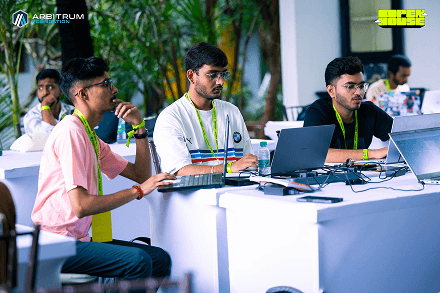
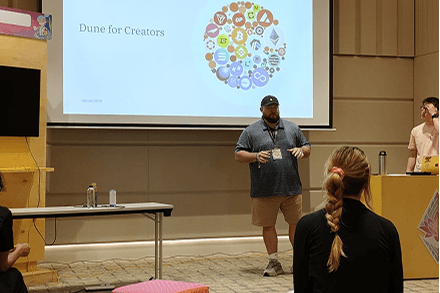
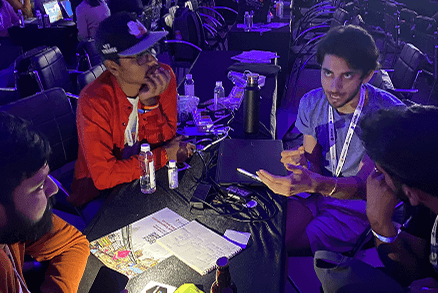
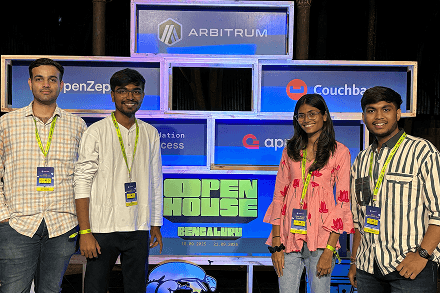
Highlights from recent events, workshops, and hackathons Lampros has been part of.